Production of seedlings for transplanting at the project site, in collaboration with Veneto Agricoltura
Production of seedlings for transplanting at the project site
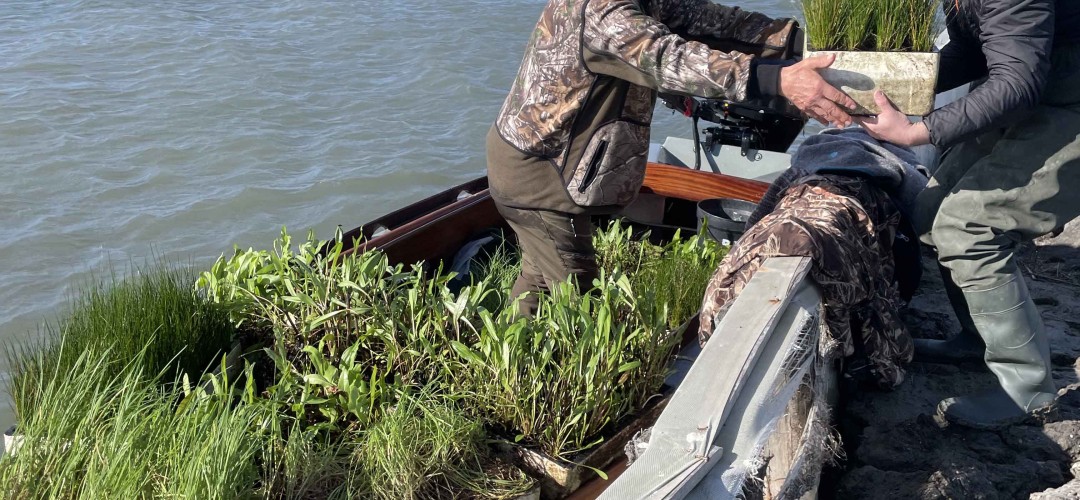
As part of the European project WaterLANDS, the association We are here Venice is committed to restoring and strengthening the resilience of artificial salt marshes in the Venice Lagoon. A fundamental pillar of the intervention involves the large-scale planting of halophytic species—native plants capable of tolerating the high salinity of the brackish environment. To procure and produce the thousands of specimens required by the project, an important synergy was formed with Veneto Agricoltura. Alvise Maria Gastaldi spoke with Dr. R. Fiorentin (Head of the Center for Plant Biodiversity), who illustrated the objectives, field work, and first fruits of this collaboration. Below is an excerpt from the interview, opening with the words of Dr. F. Canér, Director of the Veneto Agency for Innovation in the Primary Sector.
AG: Good morning, Dr. Canèr. Given the nature of our activities within the WaterLands project, we know your Agency primarily for its work in the conservation of regional plant biodiversity. But we know you deal with many other things as well.
FC: Indeed. We are an agency of the Veneto Region tasked with managing the regional public estate of agricultural and forestry lands—such as state forests—as well as carrying out hydraulic-forestry engineering works. Furthermore, we support regional policies in the primary sector: our aim is to foster the transfer of innovation to agricultural, forestry, and fishery enterprises in order to boost their competitiveness in harmony with environmental sustainability. Finally, preserving our territory's biodiversity falls squarely within our institutional mandates. Regarding plants, we pursue this goal not only through the management of the territories assigned to us, but also through the work of our nurseries, which you have had the opportunity to see firsthand.
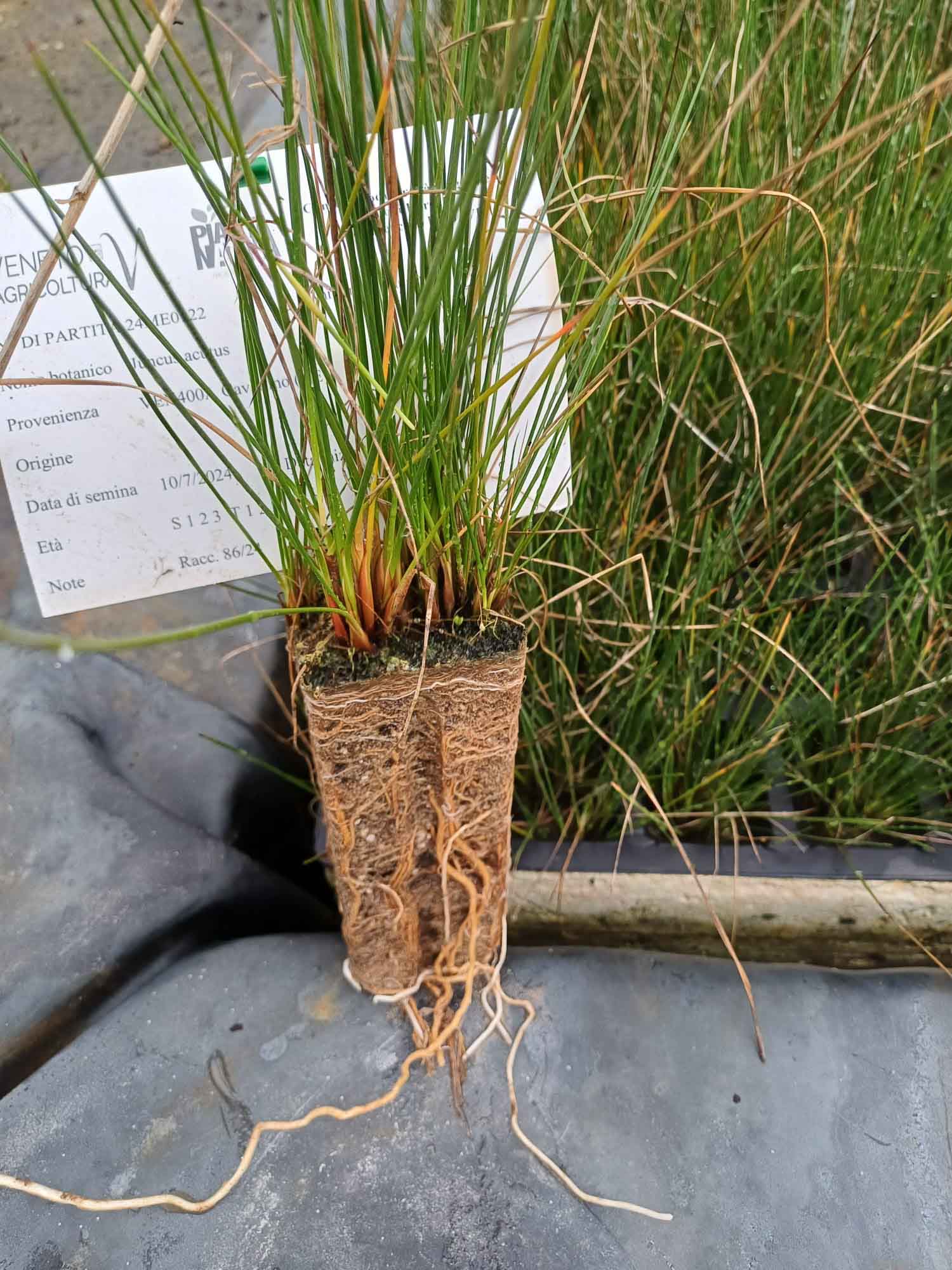
AG: Good morning, Dr. Fiorentin. Could you briefly explain who you are and what you do?
RF: We are the Plant and Forestry Biodiversity Center of the regional agency for agriculture. The regional Agency operates in various sectors—agricultural, agri-food, and forestry—but among the articles of its founding law is the conservation of biodiversity of naturalistic interest. As a nursery-managing structure, we interpret and activate this institutional mandate by propagating native plants, paying special attention to intraspecific biodiversity—that is, the genetic biodiversity of plant populations. [...]
AG: Does your production of a native plant begin in the field, with seed harvesting?
RF: Exactly. That is perhaps the most unique aspect, typical of a public agency with a non-commercial mission. Harvesting seeds in the field requires a range of skills: it calls for botanical knowledge and the ability to recognize target species; it also requires the willingness to go out into the field multiple times, because, especially with new species, finding the right moment right away is by no means guaranteed.
Naturally, there is literature to read before heading out, but the timing of fruiting varies depending on the climate, so one has to adapt. It is also a very fascinating part of the process.
This phase characterizes all the nursery work we do as an Agency for native plant conservation. Except in rare cases, we produce all plants from seed. Seed harvesting, with all its variety and the range of pre-treatments required for germination, is truly a core component of this work.
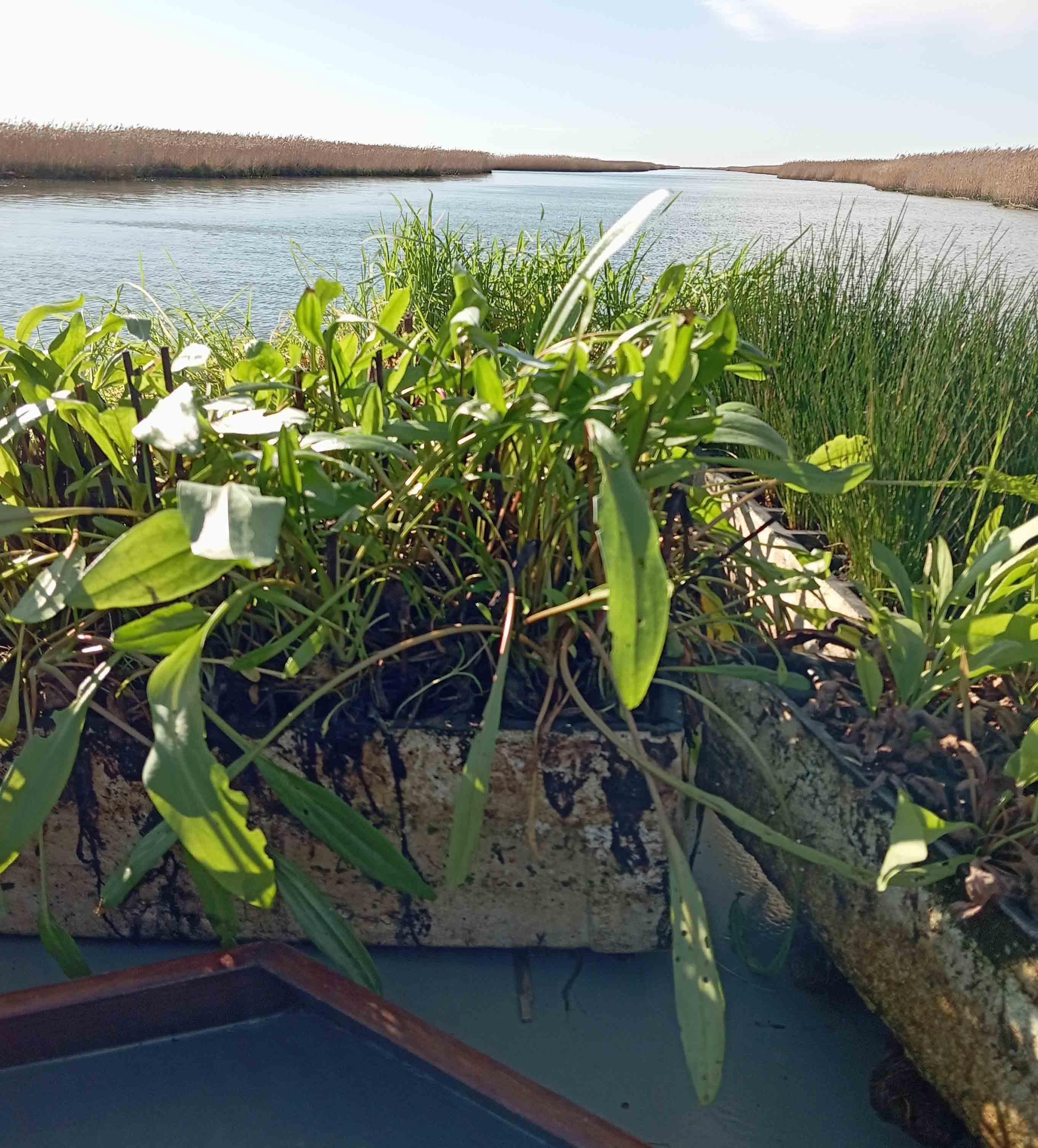
AG: I know you created a sort of "native plant" certification. I would like to ask you what process is required to achieve a native plant status in your center. For example, are the plants you provided us for WaterLANDS activities classified as native plants?
RF: Yes, we can say so! "Pianta nativa / biodiversità" (Native Plant / Biodiversity) is a registered trademark owned by Veneto Agricoltura: we filed it with the Ministry and hold its rights.
The trademark is based on a certification system that traces the origin of the plant material we propagate. [...]
AG: When did you start working on it?
RF: We began developing it several years ago, but the trademark has only been operational for two years.
AG: Why is it important to use this type of certified plant material in environmental restoration projects?
RF: Because plants are not just any ordinary commodity. They are living organisms endowed with a specific genetic heritage.
This genetic heritage underlies many things. The first factor is adaptation to local conditions. Using materials of unknown—or worse, unsuitable—provenance can lead to maladaptation phenomena once planted. This happens because certain genes develop specific capabilities, so to speak, in response to environmental factors.
Then there is an often overlooked aspect: the relationships between plants and the surrounding living community—both plant (thus competitive relationships) and animal, as well as fungal. Very often, these relationships are also regulated by their genetic makeup.
Therefore, genetic variability among populations must be respected. If you move it around without understanding it, you cannot know what long-term effects it might have on the ecosystem you intend to restore, as you'd be introducing a genetic component that was not selected by that specific set of environmental factors. [...]
AG: Speaking of our collaboration: was this the first time you dealt with halophytic species typical of the lagoon environment?
RF: Yes, it was the first time. And, as always, the first time is wonderful and unforgettable. We propagate many plant species, and one of the most fascinating things is taking on new challenges in different environments.
The lagoon environment, moreover, is among the most fascinating. By the way—this aspect might escape the general public and non-specialists—salt marshes are probably the last natural habitat of the Venetian plain that remains so extensive. Even though they are inevitably influenced by long-standing human activity, expanses of that scale simply do not exist anywhere else in our region—neither in lowland forests, nor in lowland wet meadows, nor in other lowland biotopes. Part of the charm of these environments probably stems from this.
It was something new and it went well, at least at the nursery level, which is what we are taking care of.
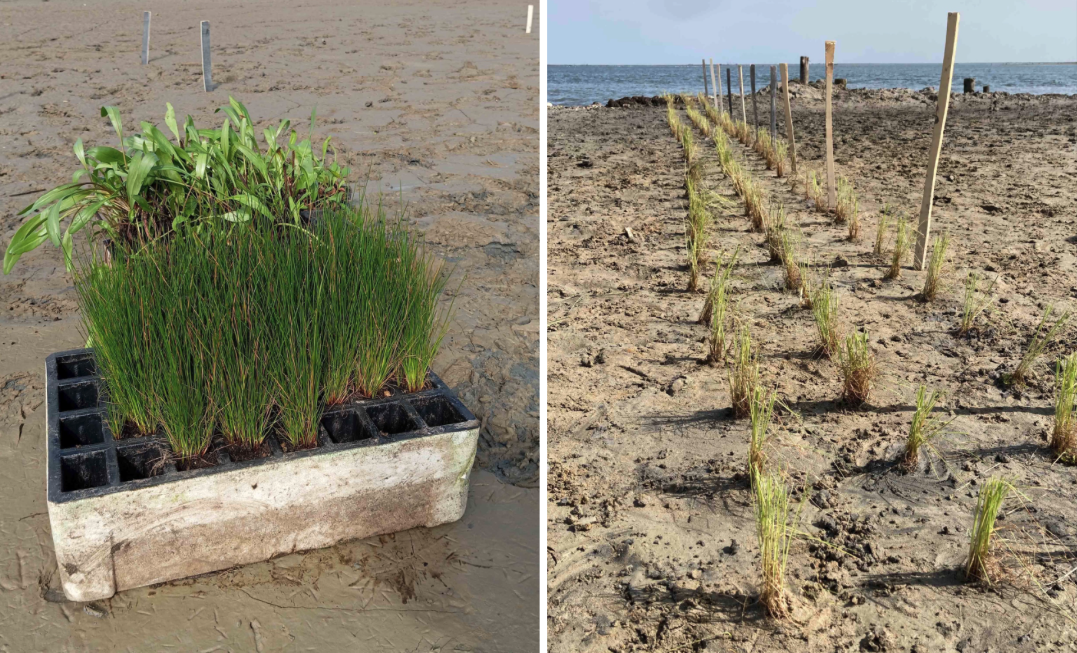
AG: Since it was also a methodological novelty, were there specific adjustments you had to make compared to the production of inland species?
RF: The most challenging thing, at least for some species, was figuring out what the seeds looked like, where they were hidden, and in which part of the plant they were concealed, as they weren't very obvious. This was interesting for Halimione portulacoides and also for Sarcocornia.
For the rest, I must say that the adjustments were not very different from those we normally adopt for freshwater hygrophilous species. [...]
AG: Were you satisfied with the results obtained? Were there species that gave you more satisfaction than others, or others that perhaps didn't go as hoped?
RF: Our lowest satisfaction, for now, came from Sarcocornia. Probably due to some flaw in seed collection, or a scarce availability of seeds, we have few specimens.
Otherwise, everything was quite interesting and satisfying. I am very struck by the vigor of the grass Puccinellia festuciformis. It is also interesting because some of these species, which possess nutritional, medicinal, and fodder properties—including Puccinellia itself—could prove valuable both now and in the coming years, even from an agronomic standpoint.
[...]
So there are potential future developments. From a project like the one we are discussing today, specifically targeted at salt marsh restoration, one can also learn a craft that can later be applied and replicated in different contexts—related, for instance, to sustainable agriculture.
◾